Article 2 inquest finds Army failures contributed to death of Second Lieutenant Max George
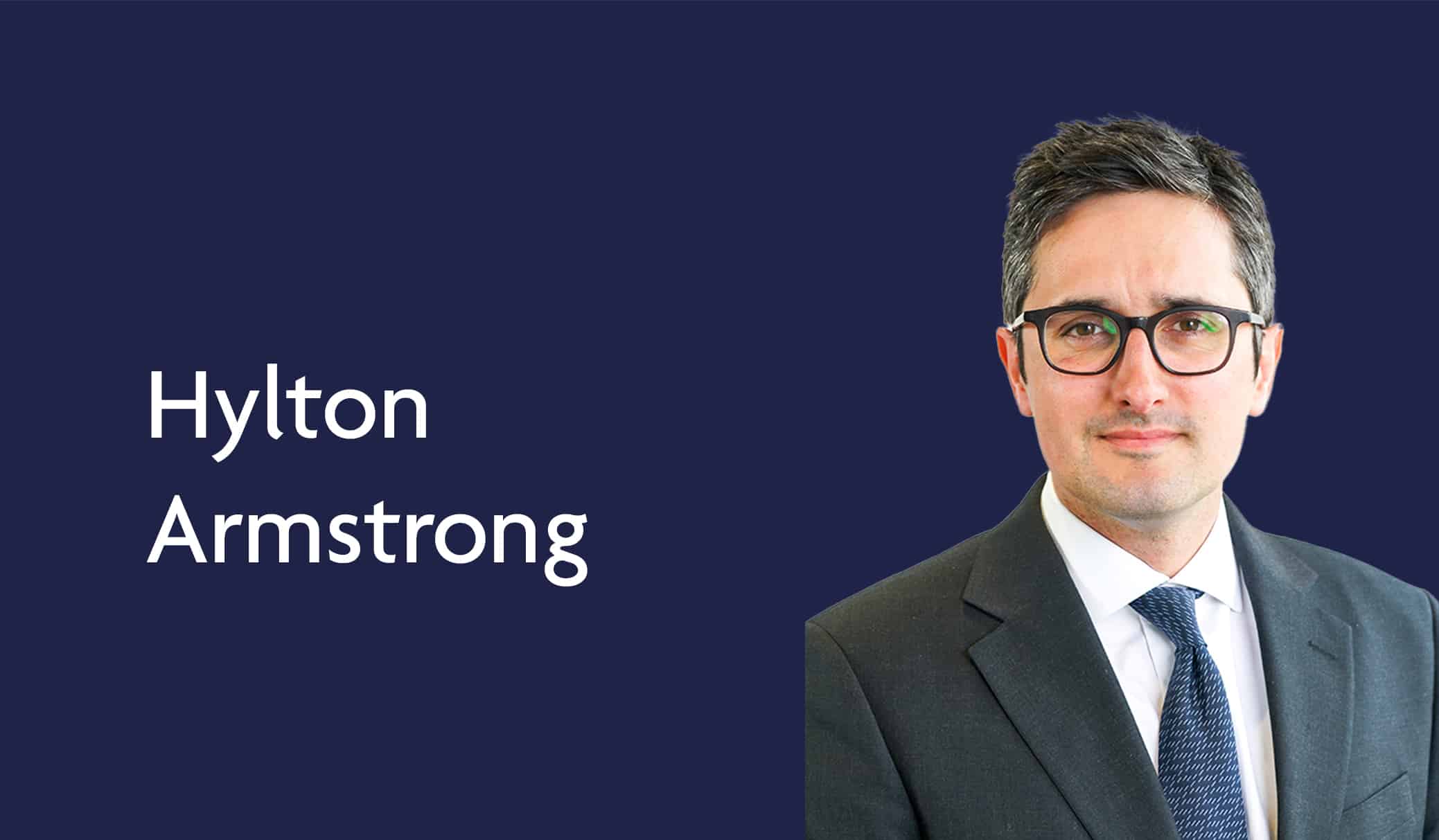 Hylton Armstrong
 represented the family of Second Lieutenant Max George at an Article 2 inquest which concluded that a series of failures contributed to his death during an Army training exercise on Salisbury Plain.
Max George, aged 26, was a Second Lieutenant serving with 5 RIFLES. He was a Queen’s Medal winner and a highly regarded young officer with a promising military career. He died on 21 June 2022 while taking part in Exercise COMBAT SPIRIT.
During the exercise, Max George was travelling in the rear of a Warrior FV511 command vehicle. He was ordered to dismount to coordinate soldiers on the ground. Before he had moved clear of the vehicle, the student commander ordered the driver to reverse. Max George was knocked to the ground and run over. He died from multiple traumatic injuries.
The Inquest
The inquest was heard by HM Area Coroner Ian Singleton at Wiltshire and Swindon Coroner’s Court. Article 2 of the European Convention on Human Rights was engaged, requiring the inquest to consider not simply how Max George died, but the wider circumstances in which his death occurred. The evidence included that:
- The FV511 was a command variant and was not intended or designed for the tactical debussing of troops in the way it was being used. As such there was no prescribed debussing drill for the FV511.
- The student commander had trained principally on the FV510 variant and had not been adequately trained or practised in conducting the relevant manoeuvre from the FV511.
- Visibility from the FV511 was severely restricted, including a blind spot extending approximately 14.2 metres behind the vehicle.
- The rear-door alarm and warning light, introduced following earlier fatal Warrior reversing incidents, were not working. The alarm fault had first been identified in 2018 and had not been repaired.
- There were also significant shortcomings in exercise planning, risk assessment, resources, competence and supervision.
Narrative conclusion
On behalf of the family, Hylton Armstrong invited the Coroner not simply to return a short-form conclusion of accident, but to give a detailed judgmental narrative conclusion recording the systemic circumstances which had caused or contributed to the death.
The Coroner returned a narrative conclusion together with a short-form conclusion of accident. He found that the following failures had contributed to Max George’s death on the balance of probabilities:
- Use of the FV511 for debussing, despite it not being intended for that purpose and there being no prescribed drill
- Safety features intended to prevent reversing incidents being inoperative for some time and not repaired despite the faults having been reported
- The absence of an effective maintenance regime for the rear-door alarm
- The order to reverse being given before it had been established that Max George was clear and it was safe to proceed
- Deficiencies in the student commander’s training;
- Insufficient personnel and vehicles requiring additional safety controls which were not provided.
The inquest also heard evidence from Brigadier Giles Malec, the Army’s Head of Safety, about the extensive changes made following the Service Inquiry, which made 48 recommendations. These include revised training and competency requirements, restrictions upon the use of Warrior variants, new debussing procedures, and the fitting of rear-view cameras to all operational FV510 and FV511 vehicles.
A number of issues remain under consideration. The Coroner has reserved his decision on whether to make a Prevention of Future Deaths report under Regulation 28, with the Ministry of Defence being given further time to respond to matters raised on behalf of the family.
Family statement
In a statement following the conclusion, Max’s family said: “He was a highly respected and talented officer of the highest calibre, a proud member of the Armed Forces who loved his work, and was dedicated to serving his country. He is greatly missed by his family, his comrades, and all who knew him.”
Reflecting on the inquest’s findings, they said: “Whilst nothing can change the outcome for Max’s family, the findings provide a degree of accountability.” They added: “Whilst nothing can undo the family’s loss, it is hoped that these measures, if implemented and adhered to, will reduce the risk of a similar tragedy occurring in the future.”
Media coverage
The proceedings attracted national media attention with the BBC reporting highlighting the long-standing defect with the Warrior’s rear-door alarm and the evidence that the driver would almost certainly have stopped had the alarm operated.
Hylton Armstrong represented Max George’s family at the inquest and was instructed by Victoria Neale of Pepperells Solicitors.