When The Scan Is Normal And The School Reports Are Positive: Rethinking Paediatric Brain Injury Evidence
In paediatric brain injury litigation, the cases that appear straightforward at first glance are often the ones that demand the greatest caution.
These themes were explored in a recent webinar delivered in collaboration with INNEG, featuring Consultant Clinical Paediatric Neuropsychologist Dr Nigel Colbert and barrister Hylton Armstrong, examining the evidential challenges that arise when early presentation appears reassuring.
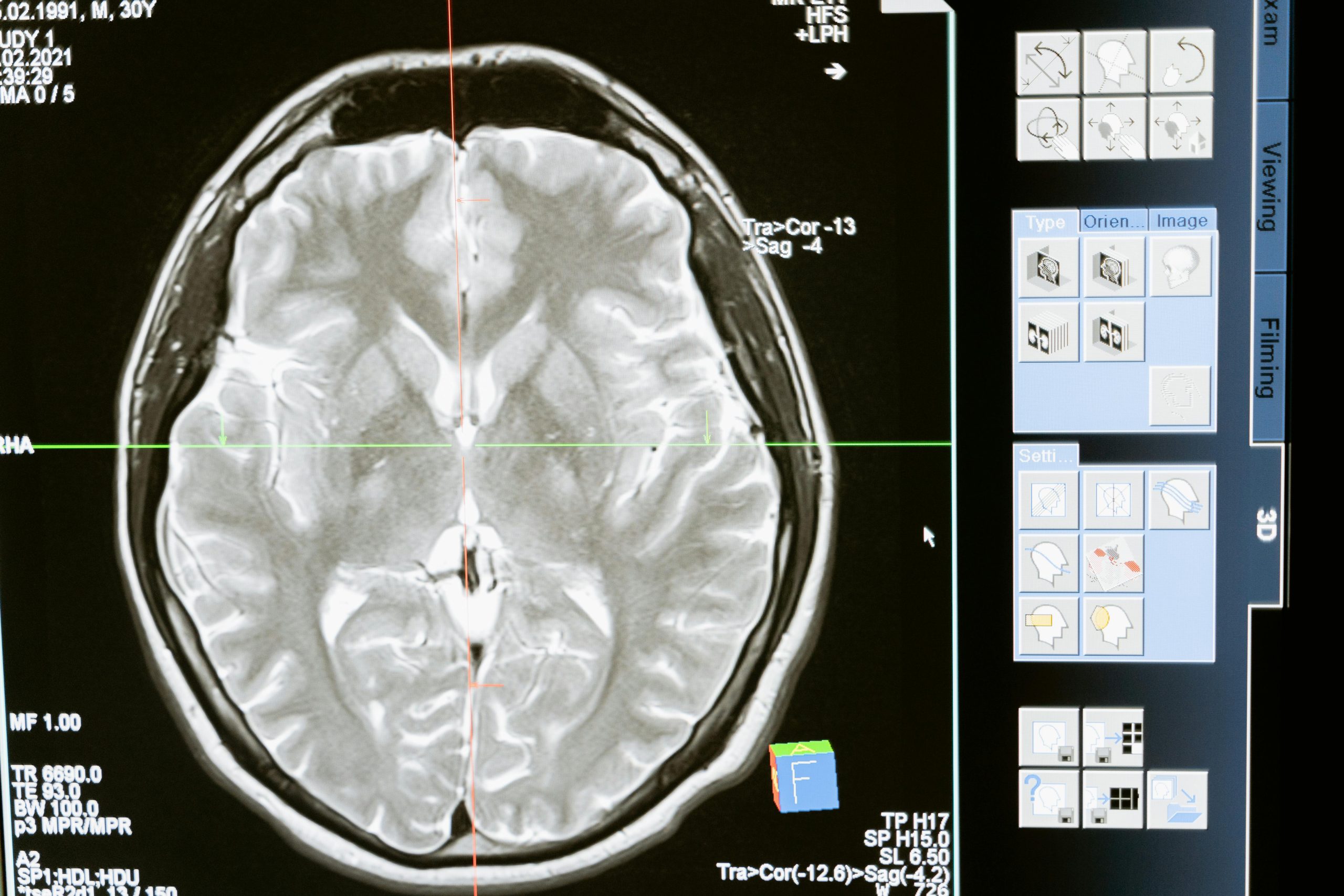
A child presents following a traumatic event. Acute imaging does not demonstrate significant structural abnormality. There is no dramatic neurological collapse. By the time proceedings are underway, primary school reports describe steady progress. Teachers are encouraging. The child is described as “coping.”
In adult litigation, such a profile might significantly narrow the issues. In children, it should prompt closer examination.
Development Is Not a Static Baseline
One of the central difficulties in paediatric cases is that there is rarely a settled pre-injury baseline. In adults, the task is commonly retrospective: what has been lost? In children, the question is prospective: what would have developed?
The legal exercise is therefore not simply to measure deficit, but to analyse altered trajectory. That shift carries implications for quantum, causation and the timing of expert evidence. A nine-year-old who appears broadly functional today may not yet have encountered the developmental demands that would expose vulnerability.
The absence of obvious deficit at an early stage cannot safely be treated as determinative.
The Masking Effect of Structure
Primary education is highly structured. Planning is scaffolded. Movement is supervised. Expectations around independent organisation are comparatively modest. Within that environment, subtle inefficiencies can be concealed.
A child may follow peers rather than process instructions independently. They may complete tasks more slowly but remain within acceptable classroom tolerance. Written reports may reflect effort and attitude rather than underlying executive performance.
Difficulties often become clearer when structure falls away.
Secondary school introduces complexity: multiple teachers, timetables, independent navigation, competing academic pressures. Executive functioning becomes not advantageous but essential. Where maturation of frontal systems has been disrupted, the strain of these demands can reveal difficulties that were previously masked.
From an evidential perspective, the timing of assessment therefore becomes more than procedural – it becomes substantive.
The Limits of Structural Imaging
Conventional imaging retains obvious importance in acute management. However, structurally normal scans do not answer functional questions. Network integrity, processing efficiency and executive regulation are not directly visualised on routine CT or MRI.
An absence of visible lesion does not equate to intact cognitive performance. Nor does the presence of a focal abnormality automatically dictate outcome. Contemporary neuropsychological understanding emphasises complexity and interaction rather than simplistic localisation.
For advocates, overreliance on radiological reassurance risks oversimplification.
Causation in a Developing System
Paediatric brains are dynamic. They mature across stages. Early disruption may have consequences that only manifest when specific networks are called upon.
Complicating matters further, many children present with pre-existing traits or vulnerabilities. Overlapping features between acquired injury and conditions such as attentional or autistic spectrum profiles make binary reasoning unattractive. The question is rarely whether injury is the sole cause, but how it has interacted with existing characteristics.
Arguments framed in absolutes tend not to survive careful scrutiny. Contribution, amplification and reduced compensatory capacity are often more accurate descriptors than exclusivity.
Expert Evidence: Beyond the Numbers
Psychometric testing remains central to forensic neuropsychology, but figures divorced from context are incomplete. How the child approached tasks, regulated frustration, deployed strategy or fatigued over time may be as probative as any composite score.
Equally, the completeness of contextual enquiry – school liaison, developmental history, family functioning – frequently determines how persuasive an opinion will be at trial. A report constructed solely from clinic-based testing, without integration of environmental reality, is inherently more vulnerable.
Judges are not assisted by raw data. They are assisted by coherent explanation.
A Case for Evidential Patience
There is an understandable pressure within litigation to crystallise prognosis. Yet in paediatric claims, time itself may be evidential. Executive capacity, emotional regulation and independence cannot be fully evaluated before they are meaningfully tested.
Where proceedings conclude before those developmental milestones are reached, there is a real risk that valuation will rest on partial information.
This is not an argument for delay in every case. It is an argument for alignment between developmental stage and evidential certainty.
Keeping Development Central
Ultimately, paediatric brain injury litigation is concerned with futures, not merely past events. The legal task is to construct a reliable picture of how an injury has altered a life still unfolding.
That requires caution where early recovery appears reassuring. It requires restraint where experts are tempted toward reductionism. And it requires recognition that development is neither linear nor uniform.
In this area of practice, the most persuasive cases are often those that acknowledge complexity rather than resist it.
The full webinar discussion can be accessed here >